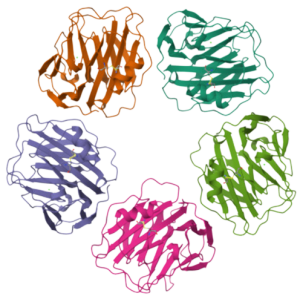
Cytokines: Central players of inflammation
Cytokines are proteins produced as part of immune stimulation in the body and act as communicators between various immune compartments and many play a fundamental role in initiating and sustaining both acute and chronic inflammation. Interleukin-5 (IL-5), Interleukin-6 (IL-6), Interleukin-12 (IL-12), Interferon-gamma (IFNg) and Tumor necrosis factor-alpha (TNFα) are some examples of such cytokines.
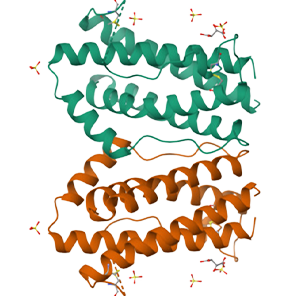
Interleukin-6
IL-6 is produced in response to infections or local injury and helps resolve these events. However excessive and sustained release of IL-6 in the body leads to inflammation which if not resolved threatens wellness and cause disease. Interestingly, IL-6 also has been proposed as marker for long COVID. IL-6 also causes release of CRP from liver.
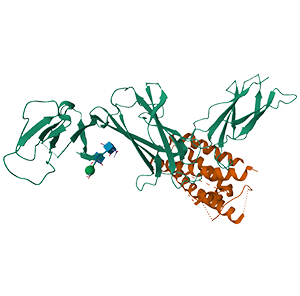
Interleukin-12
IL-12 is a central player in activating immunity against foreign pathogens and can initiate the release of other cytokines such as IFNγ. Dysregulation in IL-12 production and imbalance has been shown to cause autoimmune disorders. Recently its role in depressive disorders has also been proposed.

Interferon-Gamma (IFNɣ)
IFNγ promotes anti-bacterial and anti-viral immunity in the body and can act as an amplifier of inflammation. IL-12 and IFN-gamma positively regulate each other and inflammatory responses, which are believed to cause tissue damage in autoimmune diseases.
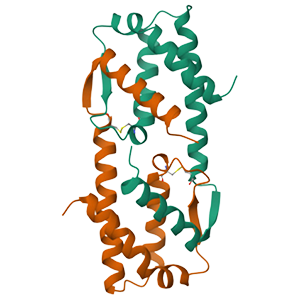
Interleukin-5
In a balanced immune response, IL-5 contributes to defense against parasites, however, when dysregulated, IL-5 can lead to allergic diseases and can potentially contribute to autoimmune conditions.
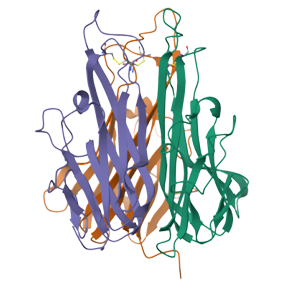
Tumor Necrosis Alpha (TNFα)
In wellness, TNF-α aids in defense against infections but its sustained release can cause chronic inflammation. TNF-α also plays a key role in the cardinal inflammation signs of swelling, heat, pain, redness, and loss of function. Elevated TNF-α and IL-6 have been associated with hyper-inflammatory response towards COVID infection including long COVID.
Testing for cytokines
Although testing for CRP is widely used as a marker for inflammation, addition of other inflammatory markers such as cytokines can potentially help create a biomarker signature of an individual with more data points especially if a single marker is not conclusive.
By assessing CRP and cytokines levels in apparently healthy individuals, healthcare providers can identify individuals with higher baseline inflammation and implement personalized interventions to reduce these levels.